Visegrad Grants
Visegrad grants support regional partnerships among NGOs and civil society organizations, public institutions and municipalities, private companies and nonprofit organizations as well as education and research centers that contribute to cooperation in the Visegrad region.
At-a-Glance Criteria
- Partnerships: Projects must involve organizations from at least three V4 countries (or 2 neighboring V4 countries for cross-border projects)
- Scope & focus: Max duration 18 months and projects must address at least one of the objectives
- Funding: Grants cover up to 100% of costs (incl. 15% overheads); typical grants are €25,000–€35,000.
Guidelines & Files
Timeline
Sep 1, 2026 at 12:00 PM: Call opens
Oct 1, 2026 at 12:00 PM: Final application deadline
Dec 21, 2026 at 12:00 PM: Results announced

What is the Visegrad Grant?
Visegrad grants support regional partnerships among NGOs and civil society organizations, public institutions and municipalities, private companies and nonprofit organizations as well as education and research centers that contribute to cooperation in the Visegrad region.
Conditions
- Projects must develop meaningful cooperation and active participation of organizations from at least three V4 countries
- Bilateral cross-border cooperation of at least 2 organizations from 2 neighboring V4 countries (projects taking place within a 40-km radius from the border and focusing on a local issue)
- Maximum duration of project implementation is 18 months
- Grants can cover up to 100% of project budget with 15% for overheads
- Projects must address at least one of the objectives of seven focus areas
Objectives
To apply for Visegrad Grants, your project must address one of the objectives of the grant program from the seven focus areas eligible for funding.
Culture and Common Identity
- Creating/presenting common audiovisual, literary, and other contemporary art products to new audiences
- Reflecting on common historical and cultural heritage as well as cultural diversity by joint research and knowledge-sharing activities
- Establishing and fostering cooperation among municipalities, regions, and local groups through common cultural activities
Education and Capacity Building
- Strengthening professional networks of educational institutions and supporting mobility of students, researchers, and educators to share best practices
- Improving hard and soft skills for the 21st century through formal and non-formal educational methods
Innovation, R&D, Entrepreneurship
- Aiming to build up new business and cluster networks for SMEs, startups, and research institutions within and outside the V4
- Tackling economic challenges and improving the ecosystem for businesses and social enterprises through joint lobbying, common policy solutions and exchange of best practices
- Dealing with innovation, new technologies and scientific research on regional and cross-sectoral levels
Democratic Values and the Media
- Promoting active participation of citizens in democratic decision-making processes and fostering democratic debate
- Promoting transparency and the fight against corruption by supporting knowledge-exchange and capacity-building of whistleblowers, investigative journalists, and watchdogs
- Improving media and information literacy, and increasing resilience towards biased reporting, disinformation, and propaganda
- Aiming for better media coverage of relevant topics in the V4 region and increased access to information
Public Policy and Institutional Partnership
- Connecting the expert communities to find joint solutions to common policy challenges
- Promoting active lobbying for policy change and good governance and connecting relevant stakeholders with decision-makers
Regional Development, Environment and Tourism
- Offering new solutions and activities to the fight against climate change and raising awareness of environmental protection within and outside the V4 region
- Aiming at sustainable tourism development on the local and regional levels by combining international expertise and shared know-how
- Aiming at finding and sharing innovative solutions in local and regional infrastructure development, urban planning, land revitalization and agriculture
Social Development
- Promoting an inclusive mindset in society and addressing protection and empowerment of minorities
- Improving intergenerational dialogue and the social care infrastructure to tackle common demographic and public health challenges
- Promoting a healthy and active lifestyle and reduction of addictive substance abuse
How to apply?
You can submit your project proposals via My Visegrad any time during the submission period.
Consulting your project proposal is possible via e-mail, phone, or online and in-person meetings based on appointments. A max of two consultations can be provided per project idea based on draft project proposal.
Any consultation can take place no later than 14 days before the given application deadline.
For the step-by-step guidance on how to prepare your application, familiarize yourself with the latest Grant Guidelines and check Questions & Answers.
Do you have questions?
Check our Frequently Asked Questions for answers about this opportunity.
Read moreGet inspired

Meet & Match: Visegrad at FIPADOC Documentary Festival
The Meet & Match: Visegrad project focused on the representation of documentary films and the visibility of creative output from V4 countries at Western European festivals. During FIPADOC, a prestigious week-long documentary film festival in France, it created a specialized platform for filmmakers from V4 countries.
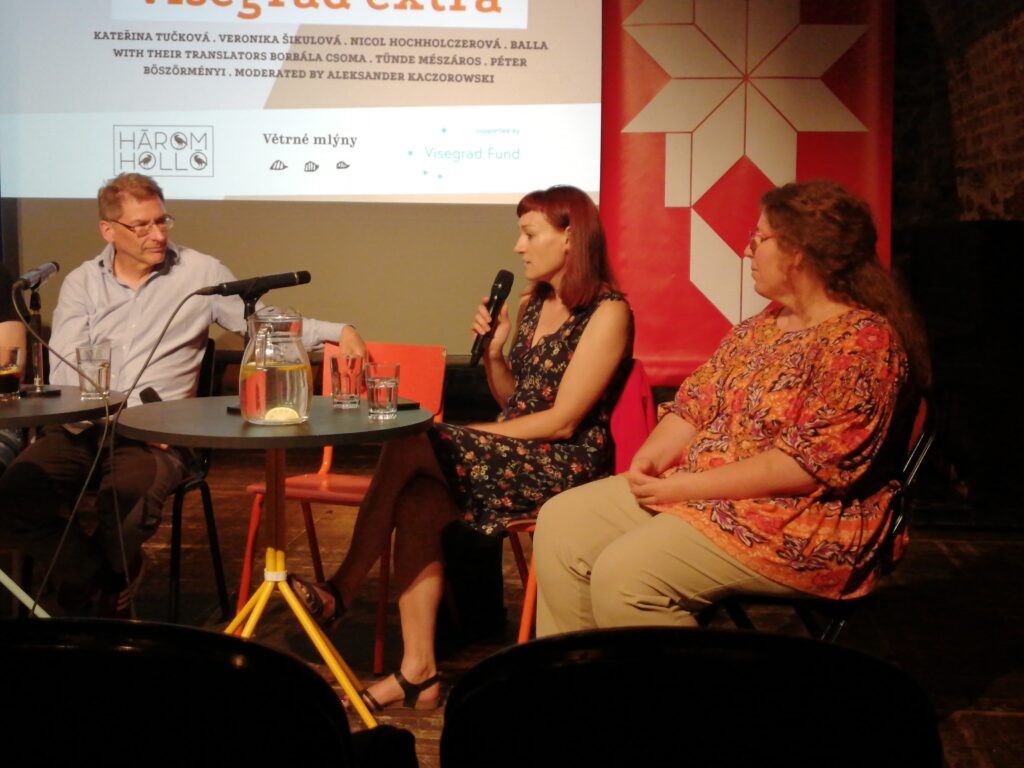
Multilingual Visegrad Literature
This project has brought literary translators from across the Visegrad region closer together, creating a unique platform for collaboration and exchange of experience.
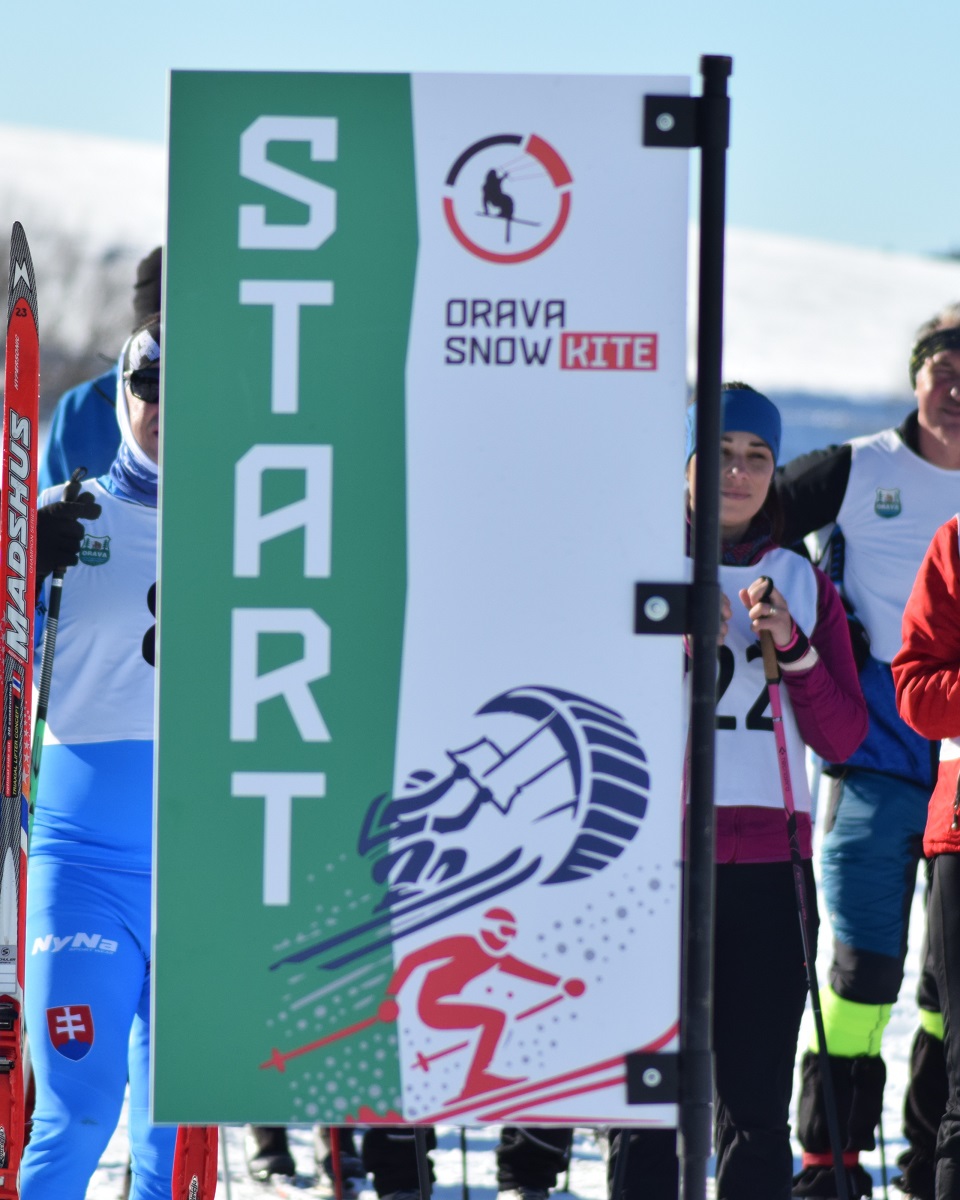
Visegrad Kite Cup
The Visegrad Kite Cup Project promotes kiting across Central Europe - what began as a cross-border initiative has developed into a full Visegrad cooperation, connecting communities through this relatively new sport.
Get informed on time – Don't miss the next call!
Enter your email to get reminders about upcoming deadlines for Visegrad Grants.